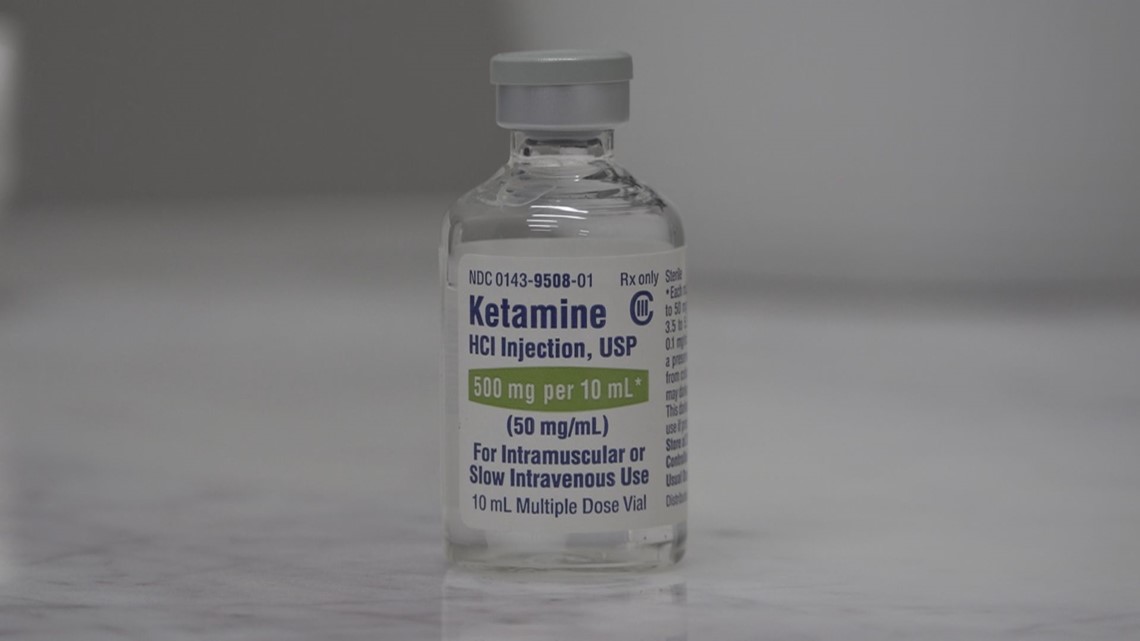
ketamine for anxiety

$250.00
Shopketamine for anxiety
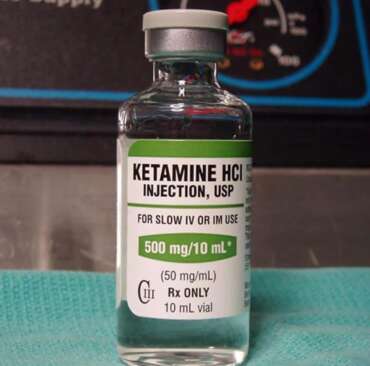
ketamine for anxiety
The effects of ketamine may be experienced within 30 seconds if injected, 5–10 minutes if snorted, and up to 20 minutes if swallowed. The effects of ketamine can last for approximately 45 to 90 minutes.3 Effects of ketamine There is no safe level of drug use.
ketamine therapy cost / Ketamine treatment for anxiety / Ketamine clinics for anxiety near me
ketamine therapy cost is more than just “worry”—it can be a chronic, heavy burden showing up as racing thoughts, restlessness, panic attacks, or physical tension. Conventional treatments—therapy, SSRIs, benzodiazepines—help many people, but for some, anxiety remains stubborn and resistant. In recent years, Ketamine clinics for anxiety near me has gained attention as a rapid-acting option in such cases.
But before you dive into anything, it’s vital to understand what ketamine really is, how it may work, what the limitations are, and how to integrate safe practices. This article is not medical advice—but it aims to help you become informed, ask better questions, and consider various options (including more natural ones) wisely.
What Is Ketamine?
Ketamine is a drug first developed in the mid-20th century as an anesthetic. In medical use, it can render someone unconscious or sedated, and it has been used in surgeries, emergency medicine, and pain management. (Wikipedia)
Over time, researchers discovered an unexpected potential: at lower, controlled doses, ketamine shows fast-acting antidepressant and anxiolytic (anti-anxiety) effects. (Columbia University Medical Center)
Importantly: ketamine is not yet officially approved by the FDA for anxiety treatment (though in many places, off-label use is practiced under medical supervision) (Medical News Today). The only ketamine‐related product approved by the FDA is esketamine (Spravato), for treatment-resistant depression. (Wikipedia)
In short: Ketamine treatment for anxiety is an existing drug repurposed for mental health, used carefully and experimentally in many clinics today.
How Ketamine Works in the Brain (for Anxiety)
To understand how ketamine may help with anxiety, it helps to see how it interacts with neural circuits.
- NMDA receptor blockade
Ketamine blocks the N-methyl-D-aspartate (NMDA) receptor, a receptor for the neurotransmitter glutamate in the brain. By partially blocking NMDA, ketamine influences the glutamate system and shifts how neurons communicate. (Pacific Neuroscience Institute) - Synaptic plasticity and growth factors
Ketamine may stimulate downstream cascades that increase synaptic connectivity (i.e. strengthening or creating new neural connections). Some research suggests ketamine increases brain-derived neurotrophic factor (BDNF) and related signaling, which help repair or rewire circuits tied to mood and anxiety. (This is a cutting-edge area of neuroscience.) - Rapid effect
One of ketamine’s advantages is that it often acts much faster than typical antidepressants or anti-anxiety drugs. Some patients report relief in hours (versus weeks). (Munster Behavioral Health) - Resetting fear / emotional circuits
In some models, ketamine may help “reset” hyperactive circuits in the amygdala or stress-processing networks, essentially giving the brain a fresh start in how it responds to anxiety triggers.
It’s not magic, and it doesn’t always work. But for certain treatment-resistant anxiety cases, it offers a promising approach when other routes fail.
What the Research Says: Ketamine for Anxiety
Let’s review what clinical data and studies have found so far.
| Study / Review | Key Findings (Related to Anxiety) |
|---|---|
| Ketamine treatment for refractory anxiety (systematic review) | Ketamine showed rapid onset of anxiety symptom reduction (within an hour) and sustained effect up to a week in some patients. (PMC) |
| Ketamine for anxiety (Healthline) | Suggests ketamine may work when traditional anxiety treatments fail; highlights promising early evidence. (Healthline) |
| MedicalNewsToday | Notes that while not FDA‐approved for anxiety, clinical trials have shown effectiveness in certain anxiety disorders. (Medical News Today) |
| Ketamine for social anxiety (RCT) | In trials, ketamine reduced comorbid anxiety symptoms in depressed patients. (PMC) |
| The effects on self-reported anxiety | One real-world study showed significant reductions in anxiety, depression, and suicidality after ketamine therapy. (ScienceDirect) |
| Emerging Anxiety Drugs (review) | Places ketamine among newer pharmacologic therapies targeting glutamate and other systems. (PMC) |
From this evidence, we get a few takeaways:
- Ketamine tends to provide rapid relief in many cases (hours to days).
- The benefits often fade over time, requiring multiple sessions or maintenance protocols.
- Ketamine is especially considered for treatment-resistant cases of anxiety.
- The research is growing—but not yet definitive, especially for long-term safety and optimal protocols.
Benefits vs Risks: What to Weigh
Potential Benefits
- Fast onset of anxiety relief, which is useful when other treatments are slow or inadequate.
- Can help break a cycle of chronic anxiety when other therapies have failed.
- In many studies, patients report improvements in both anxiety and depressive symptoms together.
- May allow a reboot of mental health that enables therapy and other interventions to work better.
Risks and Considerations
- Dissociation: some users experience a “floating” or out-of-body feeling during or after treatment.
- Increased blood pressure and heart rate (temporary)
- Potential for misuse, dependency, or abuse
- Unknown long-term effects, especially if used repeatedly
- Bladder and urinary tract issues in heavy or prolonged use
- Not all individuals respond
- Side effects like nausea, dizziness, sedation
Additionally, because ketamine for anxiety is often off-label, legal and regulatory contexts may vary depending on your country.
Before considering it, talk with a qualified psychiatrist or medical team that has experience in ketamine therapy.
How Ketamine Treatment Is Delivered (Protocols & Models)
Ketamine for anxiety is not a simple “take a pill and done.” Below are common delivery models and what to expect.
Intravenous (IV) infusions
This is the most common form in clinical research. The drug is delivered slowly over a set time (e.g., 40 minutes), often at sub-anesthetic doses.
Patients are monitored during infusion for safety, vital signs, and mental status.
Intramuscular (IM) injection
Some clinics may use intramuscular injection as an alternative to IV, especially where infusion setup is harder.
Intranasal / oral / sublingual
These routes are more experimental. Esketamine nasal spray (Spravato) is approved for depression but not directly for anxiety. (Wikipedia)
Oral ketamine in psychiatric use is even less established, and safety, dosing, and absorption vary widely.
Number of sessions and maintenance
Ketamine treatments often begin with multiple sessions (e.g., several over a few weeks). After initial benefit, maintenance sessions may be scheduled — weekly, biweekly, or monthly.
The precise schedule depends on individual response, relapse timing, and side effect profile.
Integration and therapy
Many protocols pair ketamine with psychotherapy. Why? The psychological “opening” that ketamine can provide may make therapy more effective during or right after it. This combined model is often called ketamine-assisted psychotherapy. (Wikipedia)
Who Might Benefit—and Who Should Avoid It
Ideal candidates (so far)
- Individuals with treatment-resistant anxiety (i.e. anxiety that has not improved with standard therapies)
- Those in safe medical condition, without cardiorespiratory risk factors
- People who are informed and willing to commit to monitoring and integration
- Those open to combining ketamine with psychotherapy or holistic supports
Contraindications / caution
- Uncontrolled cardiovascular disease
- Active substance use disorder
- History of psychosis or schizophrenia
- High risk of abuse or impulsivity
- Pregnancy or breastfeeding (insufficient evidence)
- Severe liver or kidney disease (depending on protocol)
Always consult with a psychiatrist or clinician experienced in ketamine.
Comparing Ketamine with Traditional Anxiety Treatments
| Approach | Speed of Action | Durability | Safety/Side Effects | Accessibility |
|---|---|---|---|---|
| SSRIs, SNRIs, SSRIs + therapy | Weeks to months | Often stable over long term | Relatively well-known side effects | Widely available |
| Benzodiazepines | Minutes to hours | Short-term relief, risk of dependence | Sedation, dependence, tolerance | Readily available but not ideal long-term |
| Ketamine / ketamine-assisted therapy | Hours to days | May require repeated doses or maintenance | Dissociation, cardiovascular effects, unknown long-term risks | Limited clinic availability and cost |
The key differentiator is speed. For individuals struggling with severe, distressing anxiety where time matters, ketamine’s fast onset is its major advantage. But it is not necessarily a replacement for foundational treatments like therapy or lifestyle changes.
Practical Steps If You’re Considering Ketamine
- Find a reputable clinic / provider
Look for clinics with experience, medical staff, and oversight. - Undergo medical screening
You’ll need lab work, cardiac evaluation, and psychiatric assessment to ensure safety. - Start with a low, monitored dose
The first session is cautious, with close monitoring for side effects. - Integrate therapy or counseling
Many recommend pairing sessions with therapy—before and after—to maximize benefit. - Track your response
Use validated tools (GAD-7, HAM-A, mood logs) to see how your anxiety evolves. - Plan for maintenance
Be ready for “booster” sessions and relapse prevention strategies. - Lifestyle and holistic support
Continue healthy habits—sleep, nutrition, movement, stress reduction—to support gains.
Ketamine vs Natural & Supplemental Approaches
While ketamine is powerful, it is invasive and carries risks. Some people prefer or complement it with more natural or low-risk strategies. One interesting area: mushroom-based supplements, such as shiitake mushroom capsules. I’ll explain how they fit into the landscape.
Shiitake Mushroom Capsules: A Natural Complement
What Are Shiitake Mushrooms?
Shiitake (Lentinula edodes) are edible mushrooms prized in Asian cuisine. Over time, they have also been used medicinally for their bioactive compounds. (Healthline)
These mushrooms are rich in nutrients such as B vitamins, copper, selenium, fiber, and compounds like polysaccharides, beta-glucans, and eritadenine. (Healthline)
Health Properties in a Table
| Property | Benefit / Mechanism | Notes / Evidence |
|---|---|---|
| Immune support | Stimulates immune cell activity, cytokine balance | Clinical trial: regular consumption improved immunity markers. (PubMed) |
| Cholesterol regulation | Contains eritadenine and sterols that may lower cholesterol absorption | Preclinical and animal research. (Healthline) |
| Antioxidant & anti-inflammatory | Rich in antioxidant compounds that neutralize free radicals | Study: strong antioxidant property for health. (ScienceDirect) |
| Cardiovascular health | May help with blood pressure, lipid profile, vascular support | Proposed in nutrition reviews. (Health) |
| Nutritional content | Provides B vitamins, minerals, dietary fiber | Widely documented in nutrient profiles. (Healthline) |
Important caveats / risks
- Most evidence comes from animal or in vitro studies, not human clinical trials focused on mental health.
- High-dose medicinal use may lead to side effects: gastric discomfort, allergic reactions, blood-related issues. (RxList)
- “Shiitake dermatitis” is a rare allergic reaction, usually from undercooked raw shiitake. (Wikipedia)
- If you take medications or have autoimmune conditions, always check with your doctor.
How to Consume Shiitake Mushroom Capsules (or whole foods)
- Capsules / extracts: Many supplement brands sell shiitake extract capsules (often standardized for polysaccharides or beta-glucans).
- Powder / blends: Some wellness products combine shiitake with other mushroom species for synergy.
- Whole / culinary use: You can eat fresh or dried shiitake in soups, stir-fries, stews. The cooking process often enhances digestibility and reduces allergenicity. (Healthline)
As you explore shiitake capsules, you might find them on wellness or supplement sites. (Note: these sites typically focus on general wellness rather than psychedelic or controlled therapies.)
One example reference (not selling ketamine or psychedelics) is Earthling Mushroom Farm’s shiitake extract capsules for immune and heart health support. (Earthling Superfoods)
How to Blend Strategies (Ketamine + Natural Support)
If you are considering a holistic path, here’s one possible framework:
- Primary intervention
For moderate-to-severe, treatment-resistant anxiety, ketamine may serve as the primary active tool. - Supportive supplements
Use shiitake mushroom capsules or other well-researched supplements to support immune health, stress resilience, and body systems. - Therapy and integration
Use talk therapy, mindfulness, cognitive techniques to integrate your insights from ketamine sessions. - Lifestyle foundations
Nutrition, sleep hygiene, movement, social support, and stress management remain key pillars. - Monitoring and safety
Regular check-ins with your medical provider; track side effects, progress, and interactions. - Adjustment over time
As your anxiety improves, you may reduce reliance on high-intensity approaches and lean more into natural or maintenance strategies.
Importantly: natural support is not a substitute for proven therapies when anxiety is severe or debilitating—but it can be a complementary piece, and for mild to moderate cases, may sometimes be the first path.
Outreach Strategy
- Link to your shop section: “You can explore related wellness items (such as mushroom supplements) in our shop section.”
- Link to other relevant pages on your site (if applicable):
- e.g., “See our article on microdosing mushrooms”
- “Check out our FAQ on integrating therapies”
- “Visit our blog for mental health support resources”
Good authority, non-competitor
- WebMD – Ketamine for Depression and mental health (for medical credibility)
- Healthline – Ketamine for Anxiety (for balanced user-friendly info) (Healthline)
- National Center for Biotechnology Information (NCBI) / PMC – e.g. the ketamine systematic review or clinical studies like Ketamine treatment for refractory anxiety (PMC)
- WebMD or Healthline pages on shiitake mushrooms (for supplement authority) (WebMD)
- ScienceDirect article on shiitake properties (ScienceDirect)
These links help show Google that your page is well-researched, connected to high-quality domains, and trustworthy.
Call to Action (CTA)
“If you’re curious to explore wellness supplements that may support your mental health journey, visit our shop at https://dose-lan.com/. Dive into safe, natural options and reach out with any questions—your well-being deserves care and clarity.”
You may also embed CTAs after sections:
- “Ready to explore natural supports? Check out (linked) products in our shop.”
- “Want to stay updated? Subscribe to our email list or follow us on social media.”
- “Have questions about combining therapies? Contact us to help guide your path.”
Sample Frequently Asked Questions (FAQ)
Here are some FAQs and concise answers you can include at the end of your page to boost SEO and user experience:
Q1. Is ketamine safe for anxiety?
A: When done in controlled, medical settings with proper screening, ketamine is reasonably safe for many people. But it has risks (e.g. dissociation, cardiovascular effects). Always consult a mental health professional.
Q2. How quickly does ketamine work?
A: Many users report anxiety reduction within hours or the next day after a session—far faster than conventional anti-anxiety medications. (Munster Behavioral Health)
Q3. How long do ketamine’s benefits last?
A: It varies. Some people maintain relief for days to weeks; others require booster sessions or maintenance.
Q4. What are alternative or complementary options?
A: Natural supports like shiitake mushroom capsules offer immune, antioxidant, and metabolic benefits. They’re not a substitute for ketamine in severe cases but can be part of a holistic strategy.
Q5. Can I buy ketamine online?
A: No. Any prescription or clinical use of ketamine must be supervised by qualified medical professionals. Avoid any site that sells ketamine outside legal channels—those may be unsafe or illegal.
Q6. What should I look for in a ketamine clinic?
A: Licensed medical oversight, patient monitoring, clear protocols, integration with therapy, transparent pricing, and a track record of safety.
Final Thoughts & Next Steps
Ketamine offers an exciting new frontier for anxiety treatment—especially when traditional methods fall short. But it is not a magic bullet. Like any tool, its value depends on how it’s used, by whom, and in what context.
If you’re considering ketamine:
- Take time to research and find a trustworthy clinic
- Undergo careful screening and maintain medical oversight
- Pair ketamine with therapy, integration, and self-care
- Use natural supports (such as shiitake mushroom capsules) wisely and under supervision
- Monitor your progress and adjust plans as you go
If you’re curious about the supplement side, feel free to browse our curated wellness items in our shop section at **https://dose-lan.com/**—and subscribe for updates on new articles, guides, and product offerings.
Be the first to review “ketamine for anxiety”
Related products

psychedelic

psychedelic

psychedelic

psychedelic

psychedelic

psychedelic
psychedelic

psychedelic
Reviews
There are no reviews yet.