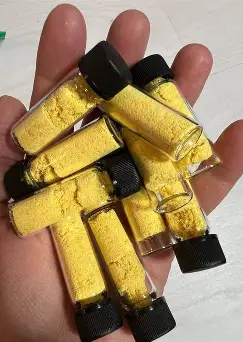
DMT powder for sale

🌿 Dimethyltryptamine Powder: The Ultimate Guide to Understanding DMT
Introduction
Dimethyltryptamine powder, commonly known as DMT, is a powerful psychedelic compound that has fascinated researchers, spiritual seekers, and psychonauts alike. Found naturally in various plants and animals, DMT is renowned for its intense, short-lived hallucinogenic effects. In this comprehensive guide, we‘ll delve into what DMT powder is, its effects, safety considerations, legal status, and more.
What Is DMT powder for sale?
Dimethyltryptamine (DMT) is a naturally occurring tryptamine alkaloid that is chemically similar to serotonin, a neurotransmitter involved in mood regulation. It is found in several plant species, such as Psychotria viridis and Diplopterys cabrerana, and is also present in trace amounts in the human brain. DMT is often referred to as the “spirit molecule” due to the profound and often mystical experiences it can induce.
How Is DMT Powder Used?
DMT powder can be consumed in various ways, each affecting the onset, intensity, and duration of the experience:
- Inhalation (Smoking/Vaporizing): The most common method, where DMT is heated and inhaled. Effects are felt almost immediately and last for a short duration, typically 5 to 15 minutes.
- Oral Consumption (Ayahuasca): When combined with a monoamine oxidase inhibitor (MAOI), such as harmine, DMT becomes orally active. This combination is traditionally used in South American shamanic rituals.
- Intravenous Injection: Administered in clinical settings, this method provides rapid onset and intense effects but is not recommended outside of controlled environments.
Effects of DMT Powder
The effects of DMT are profound and can vary based on the individual and the method of consumption. Common effects include:
- Visual Hallucinations: Vivid, colorful patterns and geometric shapes.
- Altered Perception of Time: Time may seem to slow down or speed up.
- Ego Dissolution: A sense of merging with the universe or losing one’s sense of self.
- Emotional Intensity: Feelings of awe, fear, or bliss.
- Spiritual Experiences: Encounters with entities or profound realizations.
It’s important to note that while many reports positive experiences, DMT can also induce anxiety, confusion, or unsettling visions, especially in an uncontrolled setting.
Safety Considerations
Using DMT carries potential risks, particularly when used irresponsibly or without proper preparation. Safety tips include:
- Set and Setting: Ensure you’re in a safe, comfortable environment with trusted individuals.
- Dosage: Start with a low dose to gauge your sensitivity.
- Mental Health: Individuals with a history of mental health issues should approach DMT with caution.
- Avoid Mixing: Combining DMT with other substances can increase risks.
Always prioritize safety and consider seeking guidance from experienced users or professionals.
Legal Status of DMT
The legal status of DMT varies by country:
- United States: DMT is classified as a Schedule I controlled substance, making its manufacture, sale, and possession illegal.
- Australia: DMT is also illegal under the Misuse of Drugs Act 1971.
- Other Countries: Laws vary; it’s essential to research local regulations before considering DMT use.
Always ensure you’re informed about the legal implications in your jurisdiction.
Where to Learn More
For those interested in delving deeper into the world of DMT, consider exploring the following resources:
- Erowid DMT Vault: A comprehensive resource on DMT experiences and information.
- MAPS (Multidisciplinary Association for Psychedelic Studies): An organization dedicated to researching the therapeutic uses of psychedelics.
- Johns Hopkins Center for Psychedelic and Consciousness Research: Leading research on psychedelics and their effects.
Be the first to review “(Dmt art (𝐍,𝐍-𝐃𝐢𝗺𝐞𝐭𝐡𝐲𝐭𝐫𝐲𝐩𝐭𝐚𝗺𝐢𝐧𝐞)”
Related products

psychedelic

psychedelic
psychedelic

psychedelic
psychedelic

psychedelic

psychedelic

psychedelic
Reviews
There are no reviews yet.