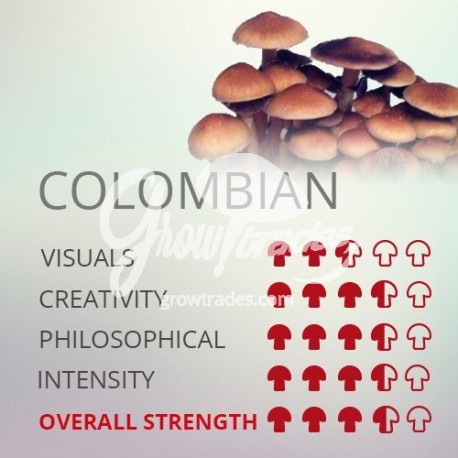
colombian mushrooms

Original price was: $300.00.$250.00Current price is: $250.00.
Shopcolombian mushrooms
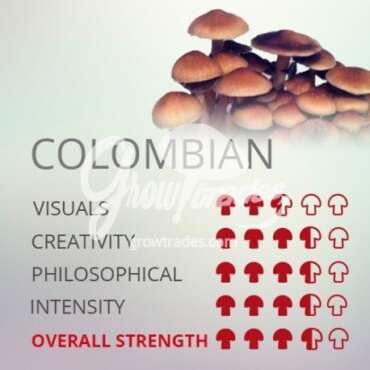
The columbian is a great strain also for beginners .If you want to try powerful and phylosophical expirience ,go for columbian Pricing .Oz $300 .Qp $500 .Hp $650 .Lb $1000
Colombian magic mushrooms / Fungal diversity Colombia / Colombian mushroom taxonomy
Colombian magic mushrooms” into a search bar, they’re likely seeking all kinds of things: identification, history, effects, spiritual use, therapeutic potential, or even places to buy (though that is risky and often illegal). In this content, we’ll explore multiple angles:
- what “magic mushrooms” means biologically,
- how they tie into Colombian biodiversity and indigenous use,
- what modern science says,
- risks and legal status,
- responsible approaches (if any),
- and yes — how your shop page (https://dose-lan.com/) fits into the picture.
Understanding magic mushrooms — basics first
What are magic mushrooms?
Colombian magic mushrooms are fungi containing psilocybin (and its active form, psilocin), which produce altered perception, mind shifts, sometimes hallucinations. (Wikipedia)
When ingested, psilocybin is converted into psilocin in the body, which acts on serotonin receptors, especially the 5-HT2A receptor, and disrupts network wiring in the brain, altering connectivity temporarily. (WashU Medicine)
Effects generally begin in 20–60 minutes, peak around 2–3 hours, and taper off by 5–8 hours (depending on dose, species, and metabolism) (Wikipedia).
Short-term: changes in visual perception (colors, shapes), altered sense of time, mood shifts, introspection, sometimes nausea or anxiety. Long-term (rare): flashbacks, persistent perception disorders, or triggering latent psychiatric conditions in vulnerable individuals. (SHCS)
Why “magic mushrooms”?
They earned the name because their effects can feel mystical or “magical.” For centuries, human cultures have used entheogens (plant- or fungus-based mind-altering substances) for healing, ritual, and spiritual insight. (ScienceDirect)
The Colombian connection — biodiversity, history, and culture
Colombia’s fungal diversity
Colombia is one of the most biodiverse countries in the world. Its wide range of climates, elevations, and ecosystems makes it a hotspot for many fungi—including species that may produce psilocybin. (Global Practice Guides)
A 1978 baseline is often cited, but since then over 22 species of Psilocybe and related genera have been catalogued in Colombia. (ResearchGate)
Some known species in Colombia: Psilocybe caerulescens, Psilocybe zapotecorum, Psilocybe muliercula, among others. (Microbial Biosystems)
Also, indigenous art has suggested
Fungal diversity Colombia iconography: for example, gold pectorals from the Zenú culture may depict stylized mushroom forms, hinting at symbolic or shamanic use. (Microbial Biosystems)
Traditional and spiritual use
Though much is speculative, scholars suggest pre-Hispanic peoples in the region may have used psychoactive fungi in ritual or religious contexts. (Academia)
Some indigenous groups in Colombia today still hold ceremonies involving entheogens or integrate plant medicine traditions. (Microbial Biosystems)
But unlike more documented regions (e.g. Mexico or Peru), historical records in Colombia are sparser. Modern interest is growing, though legal, ethical, and safety debates remain. (ResearchGate)
Why people pursue Colombian magic mushrooms today
Therapeutic potential & mental health
Recent scientific research has been exploring psilocybin-assisted therapy for conditions like treatment-resistant depression, PTSD, addiction, anxiety, and end-of-life distress. (Johns Hopkins Medicine)
A new study found that psilocybin disrupts a major brain network (the default mode network) which is often implicated in rumination and negative self-referential thinking — offering a mechanistic hypothesis for therapeutic effects. (WashU Medicine)
Johns Hopkins and other centers run controlled trials showing positive outcomes under supervision. (Johns Hopkins Medicine)
But caution: psilocybin use is not guaranteed safe, especially outside clinical settings.
Spiritual and personal growth
Some seekers use magic mushrooms for introspection, creative insight, or experiences they describe as mystical or transformative. Many report feeling more connected, seeing life differently, or gaining clarity on personal issues.
Adventure, exploration, tourism
There’s also a mystique: people drawn to Colombia’s jungles, forests, or retreats wanting a “journey.” Some tour operators or guides may promise curated experiences — though legal and safety risks loom large.
Risks, legality, and safety — what you must know
Legal status (Colombia & global outlook)
In Colombia, psychedelic substances like psilocybin remain illegal in most contexts, though there is interest in regulated frameworks and research. (Global Practice Guides)
A recent legal overview notes that Colombia has strengths (biodiversity, cultural tradition) but must carefully balance therapeutic access with preventing misuse. (Global Practice Guides)
Globally, many countries classify psilocybin mushrooms as controlled substances. In some places, research exceptions or medical pathways exist. (Wikipedia)
Thus, anyone dealing with these substances must know local laws first.
Physical, psychological, and medical risks
- Increased blood pressure, heart rate, nausea, headache, dizziness, fatigue. (NCCIH)
- Psychological distress: fear, paranoia, panic, confusion, “bad trips.” (NCCIH)
- Potential to trigger psychosis, especially in those predisposed or with family history. (NCCIH)
- Flashbacks or lasting perceptual disruptions (HPPD). (SHCS)
- Mistaking poisonous mushrooms for psilocybin mushrooms can be fatal. (Alcohol and Drug Foundation)
Important caveat: risks amplify when used alone, without support, in unfamiliar settings, or combined with other drugs.
External educational references (non-commercial, trustworthy)
Include links to credible, non-selling sources such as:
- National Center for Complementary and Integrative Health (NCCIH) on psilocybin (NCCIH)
- Hopkins Medicine psychedelics research (Johns Hopkins Medicine)
- KidsHealth / MyHealth Alberta pages for the basics of mushrooms (KidsHealth)
- Scholarly works on Colombian fungi (e.g. The hallucinogenic fungi of Colombia) (ResearchGate)
Such external links improve your credibility and may reduce your bounce rate.
5. Use headings, bullet lists, images, etc.
Break content into H2, H3, bullets, numbered lists. Keep paragraphs short. Use alt text for images (e.g. “Colombian forest with fungi”). This increases readability and SEO.
6. Call to action (CTA) — guiding the user
Near the end, invite the visitor to explore your shop section or learn more resources. For example:
Curious about deeper knowledge or curated blends? Visit our shop section to browse more. Dive into trusted guidance and community.
Colombian magic mushrooms carry both the weight of nature and the spark of mystery. In Colombia’s lush rainforests and cloud forests, fungi thrive in hidden corners. Over decades, mycologists have identified more than two dozen psilocybin-producing species. Some people trek remote trails seeking them; others study them in labs. But whether you’re a curious traveler or a serious student of consciousness, it’s vital to know you’re dealing with something powerful — not a benign novelty.
Think of psilocybin as a key. It can unlock doors in the mind — emotions, thoughts, symbolic landscapes. But if you knock too hard, you might damage the doorframe. That’s why mindset, preparation, safety, and respect are everything.
Shop section integration — how to guide users gently
Your shop link is https://dose-lan.com/. But you must tread carefully.
External educational references to include
Here’s a quick list of external (non-selling) sources to cite or link to in your content:
- National Center for Complementary and Integrative Health, “Psilocybin for Mental Health and Addiction: What You Need to Know” (NCCIH)
- Johns Hopkins Medicine research on psychedelics (Johns Hopkins Medicine)
- ADF’s drug facts on psilocybin / magic mushrooms (Alcohol and Drug Foundation)
- MyHealth Alberta, “What Are Magic Mushrooms?” (MyHealth Alberta)
- “The Hallucinogenic Fungi of Colombia” historical/ethnomycological paper (ResearchGate)
- Blossomanalysis, “Psychedelics in Colombia” country overview (Blossom)
- Legal status surveys (e.g. Wikipedia “Legal status of psilocybin mushrooms”) (Wikipedia)
Use these links in footnotes or hyperlink text in your article.
Call to Action (CTA) — what you want readers to do
At the bottom of the article, include a clear, friendly CTA:
Ready to explore more?
Dive deeper into curated knowledge, safe-use guides, and community support — head over to our shop section.
Want updates? Subscribe to our newsletter for new articles, research, and responsible perspectives.
Be the first to review “colombian mushrooms”
Related products
psychedelic
psychedelic

psychedelic

psychedelic
psychedelic
psychedelic

psychedelic

psychedelic
Reviews
There are no reviews yet.